

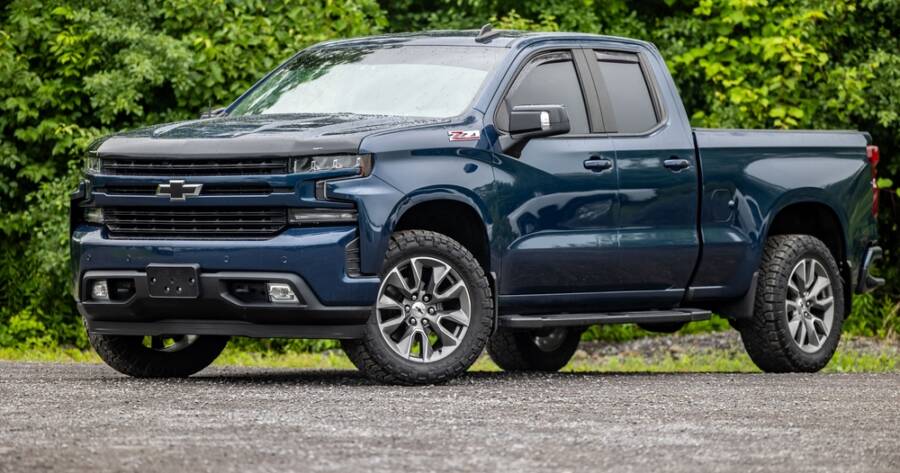
Choosing between the Ford F-150, Chevy Silverado, and Ram 1500 can be tough because each full-size pickup brings a different mix of power, comfort, technology, and everyday usefulness. The F-150 leans into versatility, the Silverado emphasizes hard-working capability, and the Ram 1500 adds a strong dose of refinement. The best choice depends on what matters most behind the wheel.
Powertrain Choices Set the Three Trucks Apart
The 2026 Ford F-150 offers a broad powertrain range, including turbocharged V6 engines, a 5.0-liter V8, a PowerBoost full-hybrid V6, and high-output engines reserved for Raptor models. The hybrid is especially interesting for buyers who want strong torque while keeping the convenience of a gas-powered truck. Ford pairs its F-150 engines with a 10-speed automatic transmission.
The 2026 Chevy Silverado offers four engines: the TurboMax four-cylinder, 5.3-liter V8, 6.2-liter V8, and 3.0-liter Duramax turbo-diesel. The diesel produces 495 lb-ft of torque, giving diesel fans an option the other two trucks don’t currently offer. Ram offers a 3.6-liter Pentastar V6, returning 5.7-liter HEMI V8, and two 3.0-liter Hurricane inline-six engines, including a 540-horsepower high-output version.
Towing and Payload Favor Different Strengths
For maximum towing, the Ford F-150 currently holds a slight edge. When properly equipped, the 2026 F-150 can tow up to 13,500 pounds and carry a maximum payload of 2,440 pounds. Those figures make Ford especially appealing to buyers who regularly pull larger trailers or carry heavy loads, although exact ratings depend on the truck’s engine, cab, drivetrain, bed, and equipment.
The Silverado 1500 is close behind with up to 13,300 pounds of available towing and a maximum available payload of 2,260 pounds. Ram’s maximum towing capacity reaches 11,610 pounds, while maximum payload is 2,360 pounds. Buyers should compare the exact configuration they plan to purchase because passengers, options, cargo, and equipment can affect real-world towing and payload limits.
Technology and Utility Take Different Paths
Ford focuses heavily on job-site and towing convenience. Available Pro Power Onboard can supply up to 7.2 kW through outlets in the truck bed, while the available Pro Access Tailgate swings open to make cargo easier to reach with a trailer attached. Available BlueCruise, Pro Trailer Hitch Assist, and Pro Trailer Backup Assist add more technology for highway travel and towing.
Chevrolet counters with its Durabed, 12 standard tie-downs, and an available Multi-Flex Tailgate with six configurationz. Silverado buyers can also get Super Cruise hands-free driver assistance with trailering on select configurations. Ram pushes harder toward premium cabin technology. The Tungsten trim offers a 14.5-inch touchscreen, 10.25-inch passenger display, and 24-way power-adjustable front seats, making it particularly appealing for drivers who spend long hours inside their truck.
Which Truck Fits the Way You Drive?
The Ford F-150 makes a strong case for shoppers who want one truck capable of handling many different jobs. Its broad engine selection, leading maximum towing capacity, available hybrid powertrain, and useful onboard power system provide plenty of flexibility. Buyers who split their time among towing, commuting, recreational trips, and projects around the house may appreciate having so many configurations and capabilities available in one model line.
The Chevy Silverado may suit drivers who prioritize towing, bed functionality, or access to a diesel engine. Ram 1500 is particularly compelling for buyers who place more emphasis on cabin comfort, strong gasoline-engine performance, and premium technology while still needing serious truck capability. No single model is automatically best for everyone. Trailer weight, payload requirements, preferred engine type, comfort expectations, and everyday driving habits should ultimately carry more weight than brand loyalty alone.
Picking the Right Half-Ton for Your Needs
The Ford F-150, Chevy Silverado, and Ram 1500 all handle the core jobs expected of a modern full-size pickup, but they approach them differently. Ford offers a particularly varied powertrain lineup and the highest maximum towing figure of the three, Chevy combines strong towing with a diesel option and versatile bed features, and Ram pairs capable engines with an especially upscale cabin.
Before buying, compare more than the biggest numbers on a specification sheet. Check the payload label on the exact truck, confirm the towing rating for its configuration, and consider daily comfort as seriously as weekend capability. A truck that matches the work and driving you actually do will usually be a better choice than one selected simply because it posts the highest figure in a single category.