

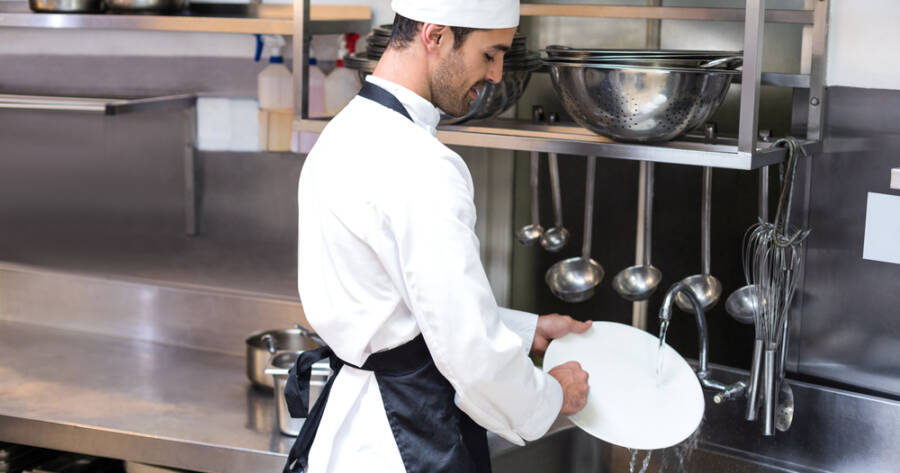
Cleanliness in the kitchen is more than a hygiene requirement. It is a key driver of efficiency and productivity. From dishwashing systems to organized workstations, proper cleaning practices help streamline operations, reduce delays, and maintain food safety standards. Understanding how structured cleaning routines support performance can transform any kitchen into a smoother, safer workspace.
Understanding Food Service Support Roles
Food service support roles are essential in maintaining the efficiency and hygiene of any kitchen operation. These roles often include tasks such as kitchen and dish cleaning, which are crucial for ensuring a safe and sanitary environment.
Proper dishwashing techniques, for instance, are vital for maintaining kitchen sanitation. This involves using a three-compartment sink system where dishes are washed in hot water with detergent, rinsed, and then sanitized using either very hot water or a chemical sanitizer. Adhering to the manufacturer’s instructions for sanitizer concentrations is important to ensure effective germ elimination (source).
Key Steps in Kitchen and Dish Cleaning Operations
Effective dishwashing involves several key steps: preparation, filling, washing, rinsing, and drying. Preparation includes scraping off leftover food and soaking dishes with stubborn food residues in hot water with detergent or baking soda.
The filling step requires filling a sink or dishpan with clean, hot water and adding dish soap. Washing should be done in order, starting with lightly soiled items and progressing to more heavily soiled ones. Rinsing involves removing suds and residue with clean hot water, and drying can be done by air drying or towel drying (source).
Maintaining Hygiene and Safety in the Kitchen
Maintaining hygiene in the kitchen extends beyond dishwashing. Employee hygiene is crucial, with practices such as daily showers, wearing clean clothes, and frequent handwashing being essential.
Hair control is also important to prevent contamination, with employees advised to wear hats or hair nets. Jewelry should be minimized to prevent bacterial hiding spots and potential accidents. Additionally, perfumes should be avoided as they can distract from food aromas and trigger allergies (source).
Comprehensive Kitchen Cleaning Practices
A clean kitchen is fundamental to food safety. A comprehensive cleaning guide includes steps such as decluttering, doing the dishes, and dusting from top to bottom. Cleaning small appliances and countertops, as well as maintaining the cleanliness of the cooker, sink, and drain, are also important.
Using natural cleaning solutions like baking soda and vinegar can help avoid harsh chemicals. Regular cleaning of the fridge and garbage can, along with floor cleaning, ensures a sanitary environment. Replacing textiles and conducting a final check completes the cleaning process, promoting a sense of accomplishment (source).
Why You Should Learn More About Food Service Support Roles Today
Cleaning practices don’t just protect food safety; they also improve kitchen efficiency by keeping workflows smooth and predictable. When sinks, prep stations, and dish areas are consistently cleaned and organized, staff spend less time searching for tools, re-washing items, or working around clutter. This is especially important during rush periods, when even small delays can slow down service and increase stress across the team.
Routine cleaning also reduces downtime caused by equipment issues. Grease buildup, clogged drains, dirty filters, and overflowing trash can lead to breakdowns, odors, and safety hazards that interrupt operations. By following daily and weekly cleaning schedules, kitchens can prevent costly disruptions, extend equipment life, and maintain a faster, safer pace. In short, a clean kitchen is not only healthier—it’s more productive.