

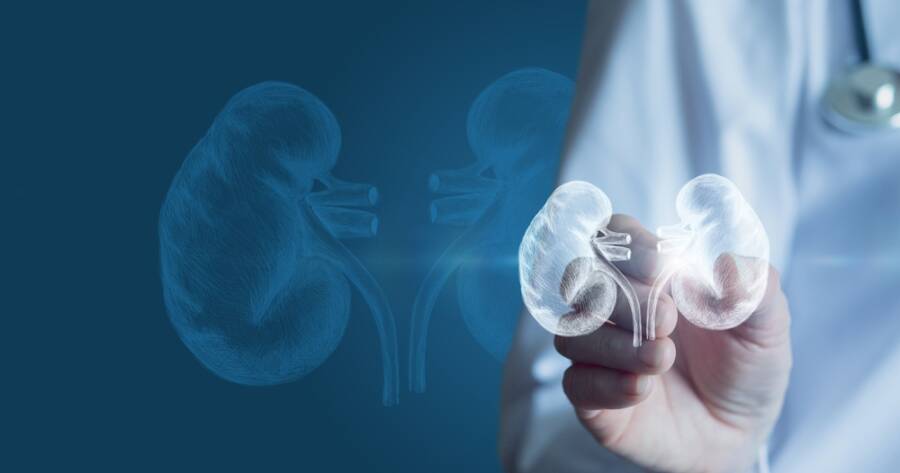
Kidney health is a cornerstone of overall well-being, as the vital organs play a crucial role in filtering blood, balancing minerals, and regulating blood pressure. Understanding common kidney diseases, their symptoms, and risk factors is essential for early detection and effective management. Knowing treatment options and prevention strategies can help you safeguard kidney function and enhance your quality of life.
Understanding Kidney Function and Its Importance
The kidneys are vital organs located near the middle of the back, responsible for filtering blood through tiny structures called nephrons. They remove wastes, toxins, and extra water, balance salts and minerals, and release hormones to control blood pressure, manage anemia, and maintain strong bones (source).
Proper kidney function is essential for overall health, as they play a crucial role in controlling blood pressure, signaling red blood cell production, maintaining bone health, and regulating essential blood chemicals (source).
Common Kidney Diseases and Their Impact
Kidney diseases encompass a wide range of conditions, each with unique causes and effects on the body. Understanding these diseases is crucial for recognizing risk factors, symptoms, and exploring treatment options. Chronic kidney disease (CKD) affects more than 1 in 7 American adults, with many unaware of their condition (source).
Early detection through specific blood and urine tests is crucial for effective management and treatment. CKD can lead to serious health issues such as heart disease, anemia, infections, and imbalances in blood minerals. It can progress to kidney failure, requiring dialysis or a kidney transplant for survival (source).
Symptoms and Diagnosis of Kidney Disease
Symptoms of kidney disease can include fatigue, trouble concentrating, sleep disturbances, dry and itchy skin, frequent urination, blood in urine, foamy urine, puffiness around the eyes, swollen ankles and feet, poor appetite, and muscle cramping (source).
These symptoms often appear in the later stages of the disease. Diagnosis involves tests like the Glomerular Filtration Rate (GFR) and urine albumin to assess kidney function and detect protein leakage, indicating kidney damage (source).
Risk Factors and Prevention Strategies
Major risk factors for kidney disease include diabetes, high blood pressure, heart disease, and age, particularly over 60. In children, anatomical abnormalities or inherited conditions like polycystic kidney disease are common causes (source).
Risk reduction strategies for CKD include maintaining healthy blood pressure and blood sugar levels, engaging in physical activity, losing weight if necessary, and quitting smoking (source). Regular testing and a kidney-healthy diet are also recommended.
Treatment Options for Kidney Disease
Treatment for CKD focuses on managing blood pressure, blood glucose, and cholesterol levels. Advanced CKD may lead to kidney failure, requiring dialysis or kidney transplantation as treatment options (source). The National Kidney Foundation (NKF) provides resources and support for individuals with kidney disease, including a blog newsletter offering expert advice and practical insights to help manage kidney health (source).
Why You Should Learn More About Kidney Health Today
Understanding kidney health is crucial for maintaining overall well-being and preventing serious health complications. With the prevalence of kidney disease and its often silent progression, being informed about risk factors, symptoms, and treatment options can make a significant difference in early detection and management.
By learning more about kidney health, individuals can take proactive steps to protect their kidneys and improve their quality of life. Engaging with educational resources and staying informed about the latest research and treatment advancements can empower individuals to make informed health decisions and support those affected by kidney disease.